
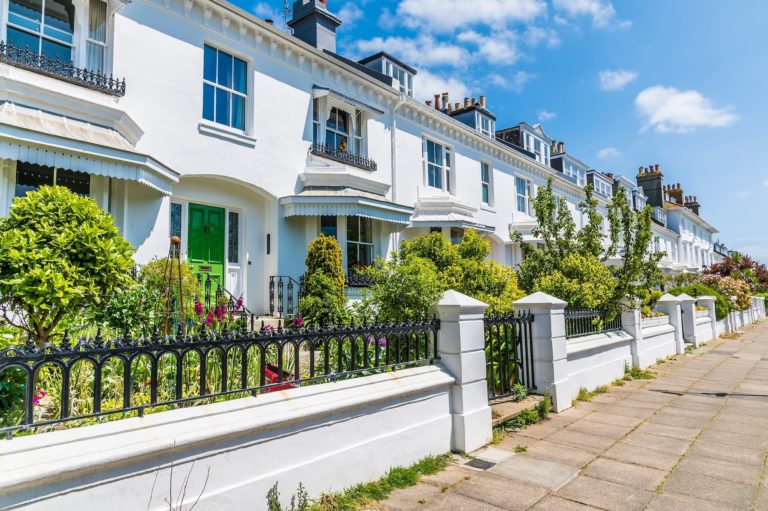
Britain’s record-breaking May heatwave has sent families into gardens, parks and beaches, with barbecues lit, patio doors left open and garden furniture brought out for the summer1.
But while the sunshine has been welcomed by many, homeowners are being urged to check whether their home insurance is ready for the risks that can come with hot weather.
The Met Office provisionally reported that the UK’s May temperature record was broken this week, with 34.8°C recorded at Kew Gardens1. The UK Health Security Agency also issued amber and yellow heat-health alerts across England, warning that high temperatures could create risks for vulnerable people2.
For households, the warning is not just about staying cool. Warm weather can also bring situations where theft, accidental damage, fire risks and emergency repair costs are easier to overlook.
And many homeowners may not realise what is and is not covered until they come to make a claim.
Why summer can be risky for your home
Home insurance is often something people arrange once and then forget about. But the way we use our homes changes significantly during the summer.
Windows are left open for ventilation. Doors can be left unlocked while people move between the house and garden. Bikes, tools, garden furniture and barbecues are brought outside. Families go away for weekends or longer holidays. Children are at home more. Guests visit for garden parties and barbecues.
Each of these situations can create a risk that may not be fully covered by a standard policy.
A stolen bike left in the garden may be treated differently from one locked inside the home. A damaged floor or broken window may not be covered unless accidental damage has been added. A fire caused by a barbecue too close to the house could lead to difficult questions from an insurer.
The issue is not that homeowners are careless. It is that many assume their insurance is broader than it really is.
Check whether garden theft is covered
Garden theft is one of the easiest summer risks to overlook.
Lawnmowers, power tools, garden furniture, children’s play equipment, bicycles and barbecues can all be expensive to replace. Yet some contents insurance policies have strict limits for items kept outside, in sheds, garages or outbuildings.
Others may require items to be locked away securely when not in use.
That means a family who leaves garden furniture out overnight, or keeps expensive tools in an unlocked shed, could find that a claim is reduced or rejected.
Homeowners should check whether their policy includes cover for items outside the home, whether there are single-item limits and whether outbuildings have to meet specific security requirements.
Barbecues, fire pits and patio heaters can create problems
A barbecue may feel like a harmless part of summer, but fire is one of the most serious risks to a property.
During periods of hot and dry weather, the risk can increase, particularly when barbecues, fire pits or patio heaters are used near fencing, decking, sheds, dry grass or the house itself.
Fire is commonly covered under home insurance, but policy wording and exclusions vary. Insurers will usually expect homeowners to take reasonable care. That means keeping flames well away from the property, not leaving them unattended and making sure ashes and coals are fully extinguished before disposal.
If a fire starts and the insurer believes reasonable precautions were not taken, it could affect the claim.
It is also worth checking whether outdoor cooking equipment, garden structures or outbuildings are included within the policy.
Do you have accidental damage cover?
Accidental damage is one of the most commonly misunderstood areas of home insurance.
Many homeowners assume it is included automatically. In reality, it is often an optional extra.
Without it, a policy may not cover incidents such as a broken window, damage caused during DIY, a spilled drink damaging a carpet, or a child knocking over an expensive item.
That matters during summer because homes tend to be busier. People entertain more, children are around more often during school holidays and DIY projects become more common.
For households with children, pets, regular visitors or planned home improvements, accidental damage cover may be worth reviewing.
Home emergency cover is not the same as home insurance
Home emergency cover is another area where homeowners can get caught out.
A standard buildings insurance policy may cover damage caused by an escape of water, depending on the circumstances. But it may not cover the cost of locating the leak, arranging an urgent callout or fixing the original problem.
Home emergency cover is designed to help with urgent issues such as plumbing problems, electrical faults, roof damage, broken boilers or the loss of essential services. It will usually include callout fees, labour and basic parts, but only up to a set claim limit.
The details matter. Some policies include emergency cover automatically, while others offer it as an add-on. Some limit the number of callouts each year or cap the amount that can be claimed.
With emergency tradespeople often costing more during evenings, weekends or bank holidays, homeowners should understand what support they would have if something went wrong.
Hot weather does not remove the risk of storms
It is easy to associate summer with sunshine, but hot spells can be followed by thunderstorms, heavy rain and flash flooding.
Many buildings insurance policies include storm damage, but policy limits, excesses and exclusions vary.
A homeowner may be covered if a storm damages the roof or a falling branch hits the property. However, insurers may look at whether the home has been properly maintained. If gutters are blocked, roof tiles are already damaged or trees have been neglected, this could create problems when making a claim.
The same applies to flooding. Homeowners should check what their policy says about flood damage, excesses and any restrictions based on the property’s location.
The cost of getting it wrong
Home insurance premiums have risen sharply in recent years, partly because of higher repair costs and weather-related claims3.
The Association of British Insurers reported that the average annual price of combined buildings and contents insurance reached £395 in 2024, up from £340 in 2023. The ABI also reported that insurers paid out a record £585 million for weather-related damage to people’s homes and possessions in 20243.
Water damage is another major source of claims. The ABI says escape of water is one of the most common types of domestic property damage claims, with insurers paying out £1.8 million for it every day4.
That has made many households more price sensitive at renewal. But the cheapest policy is not always the most suitable.
A lower premium can sometimes mean higher excesses, lower claim limits or fewer optional extras. These differences may not be obvious when comparing policies quickly online.
The real test of a policy comes when something goes wrong.
A homeowner who discovers that garden items are not covered, accidental damage was never added or emergency callouts are excluded could face a bill running into hundreds or even thousands of pounds.
Why getting advice can help
It is easy to think of home insurance as a simple renewal job. A price appears in your inbox, you compare it with a few alternatives online, and you pick the option that looks affordable.
The difficulty is that the cheapest policy is not always the one that gives the right protection.
This is where advice can make a real difference. Where a mortgage broker or insurance adviser is authorised to advise on or arrange insurance, they can help homeowners look beyond the monthly premium and understand what a policy actually covers.
That may include checking whether buildings cover reflects the current rebuild cost of the property, whether contents limits are realistic, and whether items kept in gardens, sheds, garages or outbuildings are protected.
They can also explain optional extras such as accidental damage, personal possessions cover and home emergency cover, and help clients understand where exclusions, claim limits or excesses may apply.
This can be particularly useful where circumstances have changed. If you have extended your home, renovated a kitchen, bought new furniture, added a garden office, started working from home or purchased expensive electrical items, your existing policy may no longer reflect the property you actually live in.
For homeowners with a mortgage, this is particularly important. Your home is likely to be your largest financial commitment, and buildings insurance is usually a condition of the mortgage. But simply having a policy in place does not always mean you have the right level of protection.
The aim is not to add unnecessary extras. It is to help homeowners make an informed decision and reduce the risk of discovering a gap in cover only after something has gone wrong.
When should you review your cover?
A heatwave is a useful reminder, but home insurance should ideally be reviewed at least once a year.
It is particularly important to check your cover if you have renovated, extended, bought expensive new items, changed how you use your home, started working from home or added garden buildings.
You should also check your policy if you are going away during the summer. Some insurers have rules about how long a property can be left unoccupied, and they may expect certain precautions to be taken.
These could include locking windows and doors, setting alarms, asking someone to check the property, or turning off certain appliances.
A summer home insurance checklist
Before the weather gets any more unpredictable, homeowners should ask themselves the following questions.
Are bikes, tools, garden furniture and barbecues covered if they are stolen?
Are sheds, garages and outbuildings included?
Do I have accidental damage cover?
Would my policy respond if a barbecue, fire pit or patio heater caused damage?
Do I have home emergency cover?
Are leaks, storm damage and flood damage covered?
Have I told my insurer about home improvements or valuable items?
Do I understand my excess, policy limits and exclusions?
Are there any restrictions if I leave my home empty while I am away?
If the answer to any of these questions is unclear, it is worth checking the policy documents or speaking to an adviser.
The bottom line
The record-breaking May heatwave has been a reminder that British weather can change quickly and dramatically.
For homeowners, summer brings more than sunshine. It can also bring theft risks, fire hazards, accidental damage, emergency repairs and sudden storms.
A short insurance review now could help avoid a costly surprise later.
If you are unsure whether your buildings, contents or home emergency cover still suits your circumstances, speak to your mortgage broker or insurance adviser.
Your home/property may be repossessed if you do not keep up repayments on a mortgage or other debt secured on it.
References:
- Met Office. (2026). Provisional spring daily temperature record as heatwave continues. [online] Available at: https://www.metoffice.gov.uk/about-us/news-and-media/media-centre/weather-and-climate-news/2026/provisional-spring-daily-temperature-record-as-heatwave-continues [Accessed 26 May 2026].
- GOV.UK. (2026). UKHSA issues amber and yellow heat-health alerts across England. [online]. Available at: https://www.gov.uk/government/news/ukhsa-issues-amber-and-yellow-heat-health-alerts-across-england[Accessed 26 May 2026].
- Association of British Insurers (2025). More action needed to protect properties as adverse weather takes record toll on insurance claims in 2024 | ABI. [online] Available at: https://www.abi.org.uk/news/news-articles/2025/2/more-action-needed-to-protect-properties-as-adverse-weather-takes-record-toll-on-insurance-claims-in-2024/ [Accessed 26 May 2026].
- Association of British Insurers (2025). Burst pipes and water leaks | ABI. [online] Available at: https://www.abi.org.uk/products-and-issues/choosing-the-right-insurance/home-insurance/burst-pipes-and-water-leaks/[Accessed 26 May 2026].
There may be a fee for mortgage advice. The precise amount of the fee will depend on your circumstances.
All the information in this article is correct as of the publish date 28th May 2026. The opinions expressed in this publication are those of the authors. The information provided in this article, including text, graphics and images does not, and is not intended to, substitute advice; instead, all information, content, and materials available in this article are for general informational purposes only. Information in this article may not constitute the most up-to-date legal or other information.
Please be aware that by clicking on to any of the above links you are leaving our website. Please note that neither we nor HLPartnership Limited are responsible for the accuracy of the information contained within the linked site(s) accessible from this page.